I don’t want to set the world on fire - Museums in the post-nuclear apocalypse
Living in a post-apocalypse isn’t particularly easy or fun at the best of times, let alone a nuclear apocalypse. However, that doesn’t mean that you can’t try and enjoy some down time between raider attacks or super mutant encounters to visit a pre-war museum or two! There’s plenty to visit and it’s fun for everyone, so tune your Pip-Boy to your favourite radio station (I’m quite fond of GNR myself), stock up on Stimpaks and RadAways and let’s cross the nuclear wasteland and visit the best and brightest museums post-apocalyptia can offer!
We’ll start our journey on the East Coast in the Capital Wasteland, home of the DC Ruins and several major pre-war museums to visit. Clustered along the National Mall are a group of large museums, chiefly the Museum of Technology, National Archives and Museum of History. My personal favourite to visit is the Museum of Technology because it’s mainly about flight and space technology which is always fascinating, regardless of the Vault-Tec medalling with their “display vault”. Word of advice: Don’t trust Vault-Tec to do anything correctly. Inside the museum are various aircraft, spacecraft and a planetarium which is sadly broken, but still plenty fun to explore, regardless of the super mutants inhabiting it.

Figure 1: The Museum of Technology in the DC Ruins.
That’s not to say the other museums here have nothing to offer a wasteland traveller, though. The National Archives, while having much of the above-ground building damaged and contents burned from the nuclear blasts and subsequent inhabitation by yet more super mutants, has an extensive underground vault with plenty of exciting documents like the Declaration of Independence, Magna Carta and Bill of Rights. The Museum of History has extensive Abraham Lincoln exhibits to visit along with the remains of some natural history like a T-Rex skeleton.

Figure 2: The sad remains of the T-Rex skeleton.
The pre-war ruins are not the only museums you can find in the Capital Wasteland, as post-war there have been some dedicated people who have put together their own museums. Out in the wasteland (for privacy reasons you will soon see I will keep her location anonymous, raiders sometimes read these) we can find Sierra Petrovita who is a Nuka-Cola superfan like myself, and she’s made a little museum in her home and will give a “tour” to anyone willing to listen. Inside of Rivet City we can find the Capitol Preservation Society, a small museum with various American icons like the P-51 Mustang fighter aircraft and Gettysburg Address. We would also be remiss to not mention the ‘famous’ Museum of Dave within the Republic of Dave east of Old Olney. Dave is… a bit of a dictator, and his museum reflects that with his amazing so-called (and completely unbelievable) “feats”. Nevertheless, it’s a must-see stop for any heritage traveller of the wastes.

Figure 3: Sierra's little "museum" inside her house.

Figure 4: The Capitol Preservation Society within Rivet City.
Crossing the country we can enter the Commonwealth (largely the area of pre-war Massachusetts) and find several famed museums to visit. There’s the Museum of Freedom in Concord detailing the history of the British colony from revolution to the invasion of Anchorage. While the building is unfortunately in advanced disrepair, there’s a fantastic mural that’s worth the trip, depicting the nation from colony to revolution to global superpower.

Figure 5: Say "Raider!" The Museum of Freedom awaits!

Figure 6: The full mural in the Museum of Freedom.
Up near Salem we can find the Museum of Witchcraft in a repurposed church, containing exhibits in the church itself as well as the catacombs about the famous witch trials in the town as well as general information on Salem itself. Just be wary of the Deathclaws lurking around here, so you can give it a miss if you’re afraid. If we continue south we can find Nuka-World, an amazing theme park pre-war, but we’re ignoring it in favour of Wixon's Shovel Museum, one of those curious museums about an object we’ve probably given little thought to. The two-story building has over a dozen shovels with a variety of fantastical tales attached to them. Definitely something to see if you’re ever in Nuka-World.

Figure 7: Wixon's Shovel Museum, the must-see attraction for Nuka-World!
Heading to the West Coast and the Mojave Wasteland we’re a little lacking in museums with only the Nellis Boomer museum at Nellis Air Force Base on offer, and the residents have a small… explosive temper. However, if you gain access, you can get into the museum which has another great mural to see, depicting them escaping Vault 34 and trekking across the wastes to the base and their ultimate plan of fixing a sunken B-52 bomber under a lake not far away.

Figure 8: The Boomer mural.

Figure 9: The rest of the museum.
There are other museums I have missed on this journey, like the World of Corn, the Whitespring Presidential Cottage and Museum, Mothman Museum and dubious Pebbles the Cat Museum all within Appalachia, but we would be here all day if I covered everything we could find in the wastelands. Instead I’ve focused on the best, the niche and the biggest museums you could visit off in the wastes.
It’s important to note that, while all these museums are found in the various Fallout video games if you are unfamiliar or didn’t realise by now, a lot of them are based on real museums found in their areas. Wixon's Shovel Museum, for example, references the Ames Shovel Shop and Stonehill Industrial History Center (Shovel Museum), while the Museum of Freedom is referencing the Concord Museum and the DC museums are obviously referencing the real museums in the same place. Museums are surprisingly common in video games and, while they may seem a novelty to see, they do genuinely take a relatively faithful adaptation of a museum and turn it into a playable gamespace that’s interesting to visit again and again. So next time you’re wandering the wasteland (or any other game for that matter) and come across a museum, just take some time to look around and take it in, and notice all the little details that make it feel authentic.
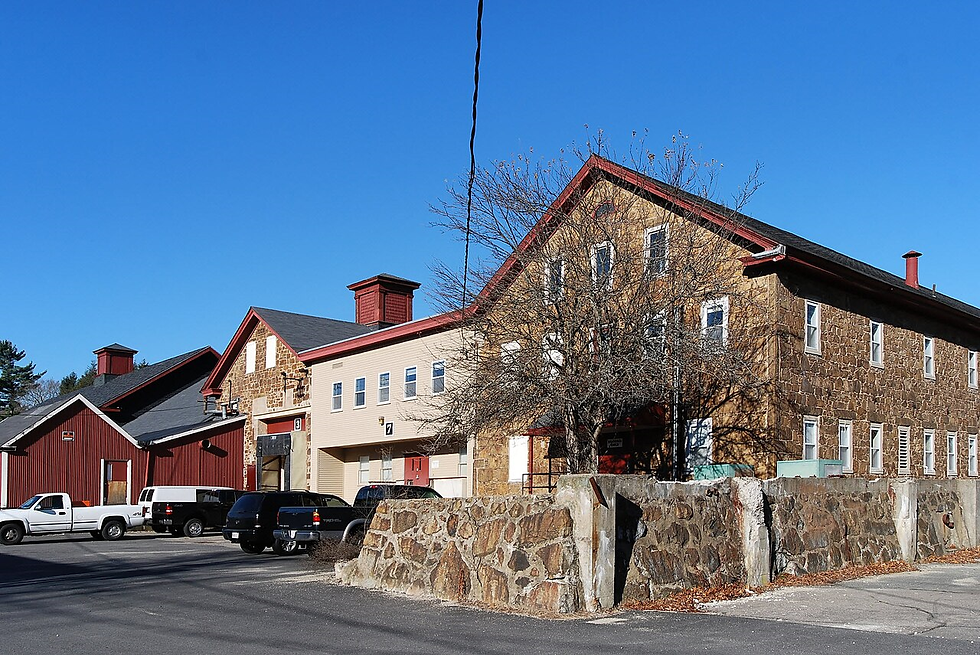
Figure 10: The real "Shovel Museum". (Wikimedia Commons, 2026).
Berengar Needham is a recent student on the 2025-2026 MSc Museum Studies programme at the University of Leicester.


Comments